Get Subfloor Replacement
Subfloor replacement services help property owners fix damaged, rotting, or uneven floors by connecting them with local contractors experienced in removing and installing new subflooring.
If you’re considering subfloor replacement, you’re in the right place to explore your options. Property owners in the area often look into this service to address issues like moisture damage, uneven flooring, or structural concerns that can affect the safety and stability of a property. Planning such projects requires understanding the scope of work and finding experienced contractors who can deliver quality results. This page provides helpful information to compare local service providers, making it easier to identify professionals equipped to handle your specific needs.
Continuing to read can help you discover the benefits of working with trusted local contractors for subfloor replacement. Whether you’re preparing for renovations, repairing after damage, or upgrading your property’s foundation, having access to a range of qualified service providers can support your project planning. By evaluating your options and connecting with experienced specialists in the area, you can make informed decisions to help ensure your project’s success.
- Subfloor Replacement - needed when the existing subfloor has sustained water damage or structural deterioration.
- Subfloor Replacement - required if the current subfloor is uneven, warped, or compromised, affecting floor stability.
- Subfloor Replacement - necessary during remodeling projects that involve updating or installing new flooring materials.
- Subfloor Replacement - essential when mold or pests have damaged the subfloor, posing health or safety concerns.
- Subfloor Replacement - advised if the subfloor has been improperly installed or has developed persistent squeaks and creaks.
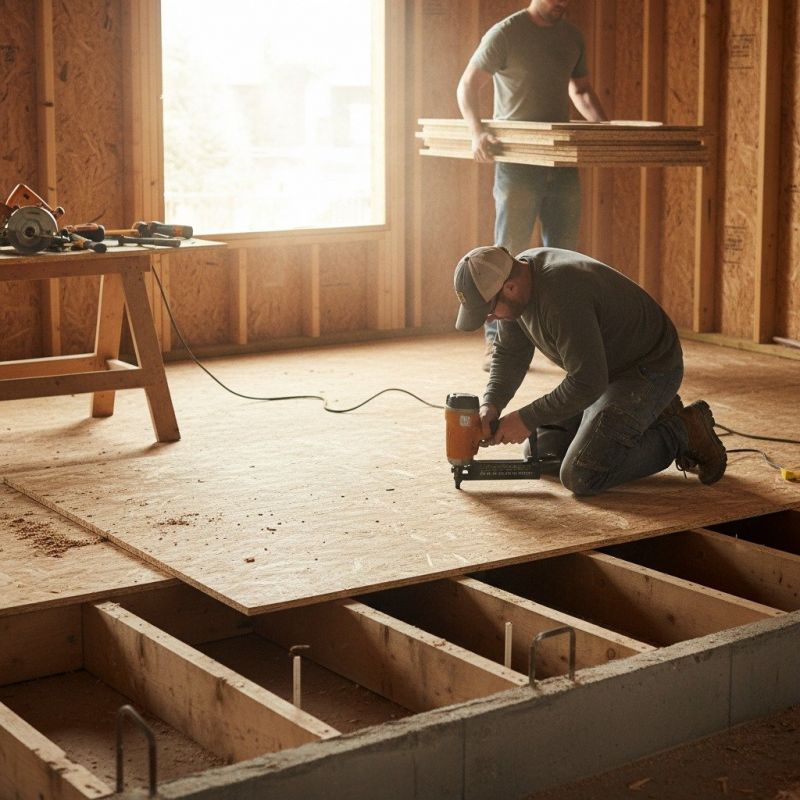
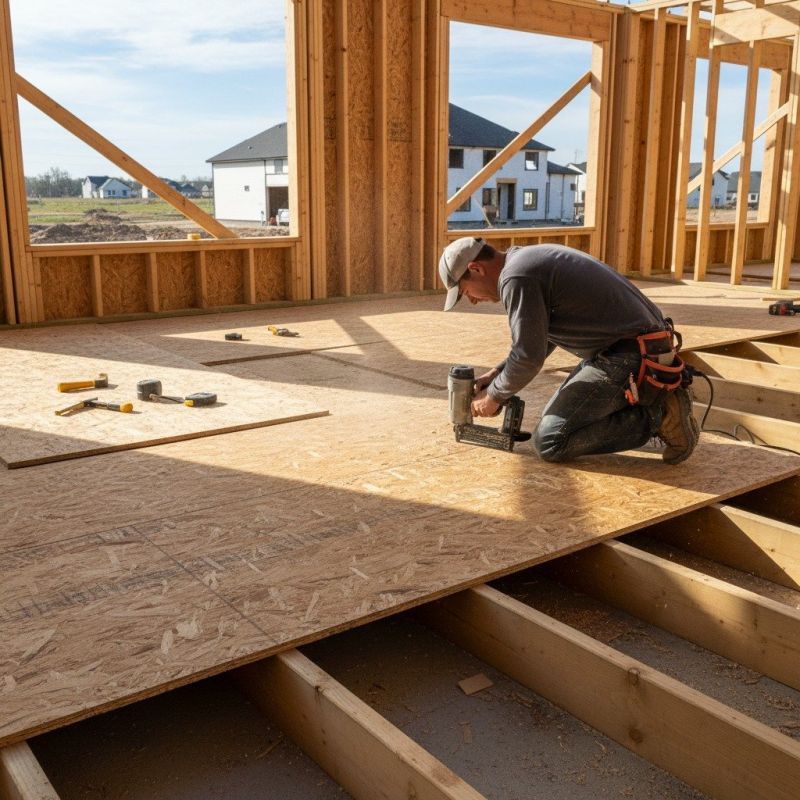

Subfloor replacement services involve removing and replacing the underlying layer of flooring that sits directly on the building’s foundation or joists. This process typically begins with the careful assessment of the existing subfloor to identify areas that are damaged, rotting, or compromised. The contractor will then remove the affected sections, ensuring the structural integrity of the floor is maintained. Once the damaged material is cleared, new subfloor panels are installed and securely fastened, creating a stable base for the finished flooring surface. This service is essential for maintaining a strong, level, and safe flooring system within a property.
Many property owners seek subfloor replacement to address common problems such as water damage, mold growth, or structural weakening. Over time, moisture infiltration from leaks, flooding, or high humidity can cause the subfloor to warp, rot, or develop mold, which can lead to unpleasant odors and health concerns. Additionally, a damaged subfloor can result in uneven flooring, creaking sounds, or even sagging floors that compromise safety and comfort. Replacing the subfloor restores the stability of the floor system, helping to prevent further damage and ensuring the longevity of the entire flooring setup.
Subfloor replacement services are often utilized in residential properties, including single-family homes, apartments, and condominiums. These projects are common in homes that have experienced water leaks, flooding, or ongoing moisture issues. Commercial properties, such as retail stores or office buildings, may also require subfloor work when structural damage or deterioration is identified beneath the finished flooring. In all cases, local contractors provide the expertise needed to evaluate the extent of damage, recommend appropriate repairs, and execute the replacement efficiently to restore the property’s structural integrity.
Homeowners should consider subfloor replacement when noticing signs of damage like sagging floors, uneven surfaces, persistent odors, or squeaks that cannot be fixed through simple repairs. If there has been recent flooding, plumbing leaks, or water intrusion, replacing the subfloor can prevent mold growth and further structural issues. This service is an important step in maintaining a safe, stable, and durable flooring system, especially in properties where moisture or damage has compromised the integrity of the original subfloor. Connecting with experienced local service providers can help ensure the work is completed correctly and effectively.
The overview below groups typical Subfloor Replacement projects into broad ranges so you can see how smaller, mid-sized, and larger jobs often compare in your area.
In many markets, a large share of routine jobs stays in the lower and middle ranges, while only a smaller percentage of projects moves into the highest bands when the work is more complex or site conditions are harder than average.
Smaller Repairs - Minor subfloor repairs typically cost between $250 and $600 for many smaller jobs. These projects often involve replacing damaged sections or fixing localized issues and are common for routine repairs.
Partial Replacement - Replacing larger sections of the subfloor can range from $1,000 to $3,000 depending on the size and complexity. Many projects fall within this range, especially when addressing moderate damage or upgrades.
Full Subfloor Replacement - Complete replacement of an entire floor typically costs between $4,000 and $8,000. Larger, more complex projects can reach $10,000 or more, though these are less frequent.
Factors Influencing Costs - The overall cost can vary based on the subfloor material, accessibility, and local labor rates. Local contractors can provide detailed estimates tailored to specific project needs and scope.
Actual totals will depend on details like access to the work area, the scope of the project, and the materials selected, so use these as general starting points rather than exact figures.
Flooring Installation - Professionals experienced in flooring installation often handle subfloor preparation and replacement as part of their projects.
Bathroom Renovations - Bathroom remodels frequently require subfloor repair or replacement to ensure a stable foundation for fixtures and flooring.
Kitchen Remodels - Kitchen upgrades may involve subfloor work to support new cabinets, appliances, and flooring materials.
Basement Finishing - Converting basements into livable spaces often requires subfloor replacement to create a level and durable surface.
Concrete Floor Repair - Repairing or installing concrete floors can involve subfloor prep and replacement to ensure proper support and finish.
Water Damage Restoration - Addressing water damage often involves removing and replacing compromised subfloor sections to prevent mold and structural issues.
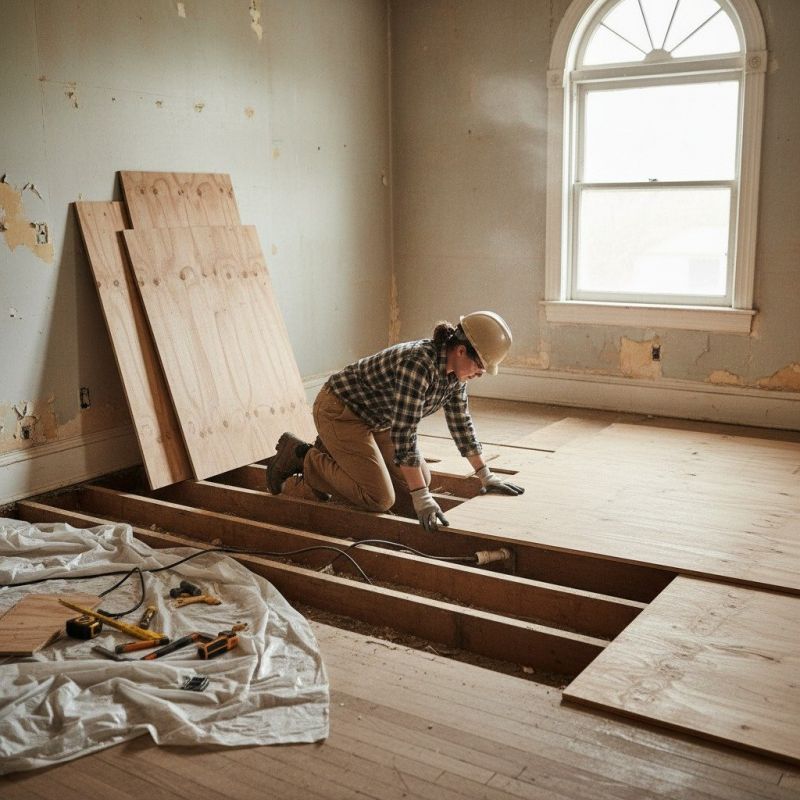
When evaluating local contractors for subfloor replacement, it’s important to consider their experience with similar projects. Homeowners should look for service providers who have a proven track record in handling subfloor repairs and replacements, as this indicates familiarity with the specific challenges and best practices involved. Asking about past work or requesting references can help gauge whether a contractor has successfully completed projects comparable in scope and complexity, providing confidence in their ability to deliver quality results.
Clear written expectations are essential for avoiding misunderstandings and ensuring that the scope of work is well understood by both parties. Homeowners should seek out service providers who can offer detailed descriptions of their services, including the materials they plan to use, the steps involved in the replacement process, and what the homeowner can expect throughout the project. A well-defined plan helps establish transparency and allows homeowners to compare different options more effectively.
Good communication and reputable references are key indicators of a reliable local contractor. Service providers who are responsive, transparent, and willing to answer questions demonstrate professionalism and a commitment to customer satisfaction. Additionally, seeking references from previous clients can provide valuable insights into the contractor’s work ethic, reliability, and the quality of their finished projects. While the site introduces homeowners to local options, it’s important to remember that the actual work will be handled by the selected service provider, making careful comparison and due diligence essential steps in the process.
Property owners use Subfloor Replacement services for practical projects around their homes and businesses. This guide focuses on everyday jobs and straightforward project options.
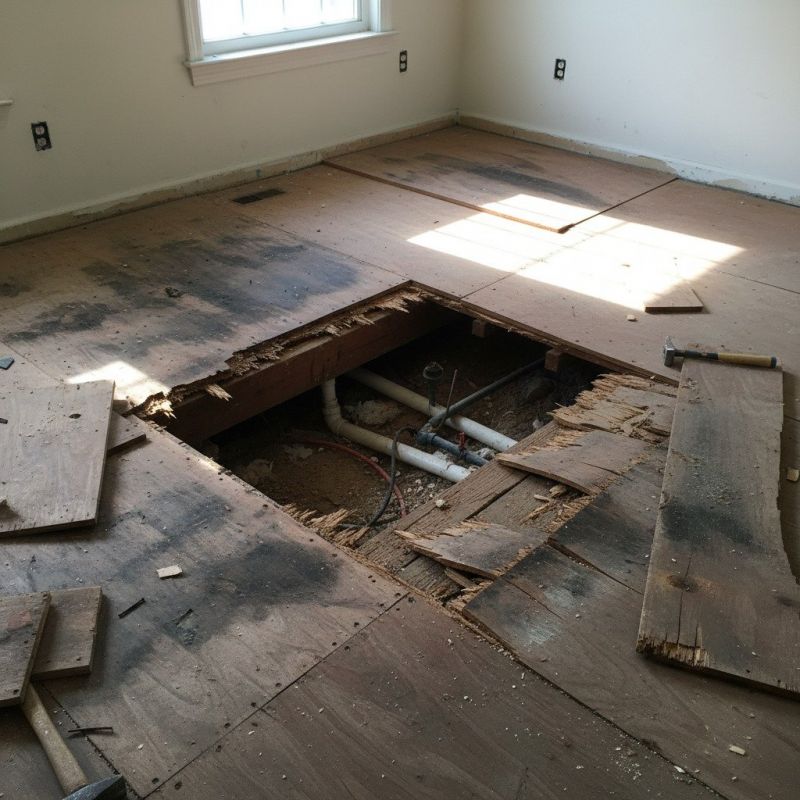
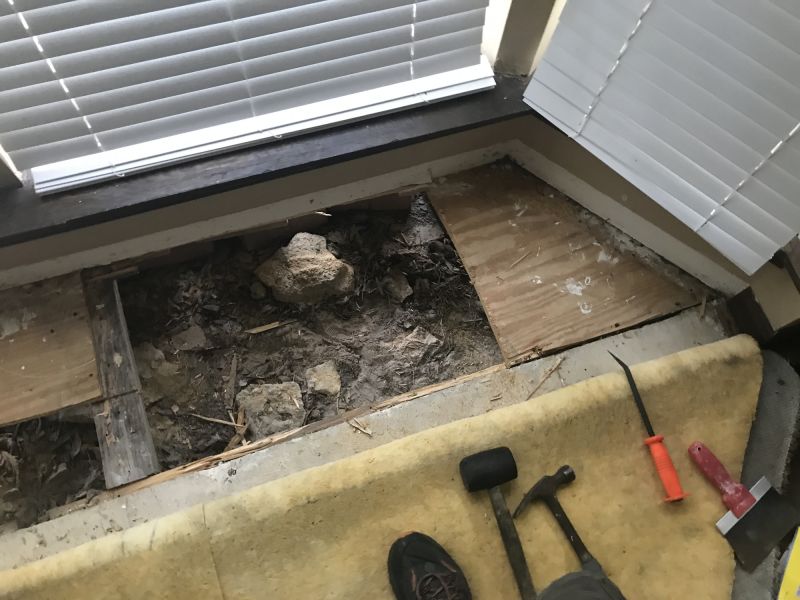
Subfloor replacement services are often needed when property owners notice issues such as uneven flooring, squeaks, or visible damage beneath carpets and tiles. These situations can arise from water leaks, wood rot, or general wear and tear over time. Local contractors specializing in subfloor work can assess the condition of existing flooring and provide solutions to restore a stable, level foundation for new flooring installations or repairs.
Homeowners may also seek subfloor replacement during renovations or remodeling projects, especially when upgrading flooring materials or addressing structural concerns. In some cases, subfloor issues are discovered during inspections, prompting property owners to find experienced service providers who can handle the removal and replacement efficiently. Local professionals are equipped to manage these projects, helping ensure the underlying structure supports the finished flooring properly.
What signs indicate a subfloor needs replacement? Indicators include sagging floors, creaking sounds, visible warping, or persistent unevenness that cannot be fixed with repairs.
What types of subfloor materials are commonly replaced? Common materials include plywood, oriented strand board (OSB), and other engineered wood products that may deteriorate over time.
How do local contractors handle subfloor removal and installation? They typically remove damaged sections carefully, prepare the area, and install new subfloor material to ensure a stable foundation for flooring.
Can subfloor replacement be done in phases? Yes, some contractors can replace sections of the subfloor gradually, especially in larger areas or when access is limited.
What factors should be considered when choosing a contractor for subfloor replacement? It's important to consider experience with similar projects, reputation, and ability to work within the specific needs of the property.
Subfloor Replacement for Renovations - property owners planning to update or remodel can rely on local contractors to replace damaged or outdated subfloors during renovation projects.
Addressing Moisture Damage - homeowners noticing signs of water damage or mold can have local pros assess and replace compromised subfloor sections to improve indoor air quality.
Preparing for New Flooring Installation - those installing new carpets, hardwood, or tile can work with local service providers to ensure a stable and even subfloor foundation.
Repairing Structural Issues - property owners experiencing uneven floors or creaking can have local contractors evaluate and replace subfloor components to restore stability.
If you are thinking about Subfloor Replacement for a property, this guide is meant to help you understand the work, the typical project types, and how different options might fit your plans.
When you are ready, you can use the quote form on this page to share a few details about your project. From there, local pros can review the basics and respond with options that match what you have in mind.